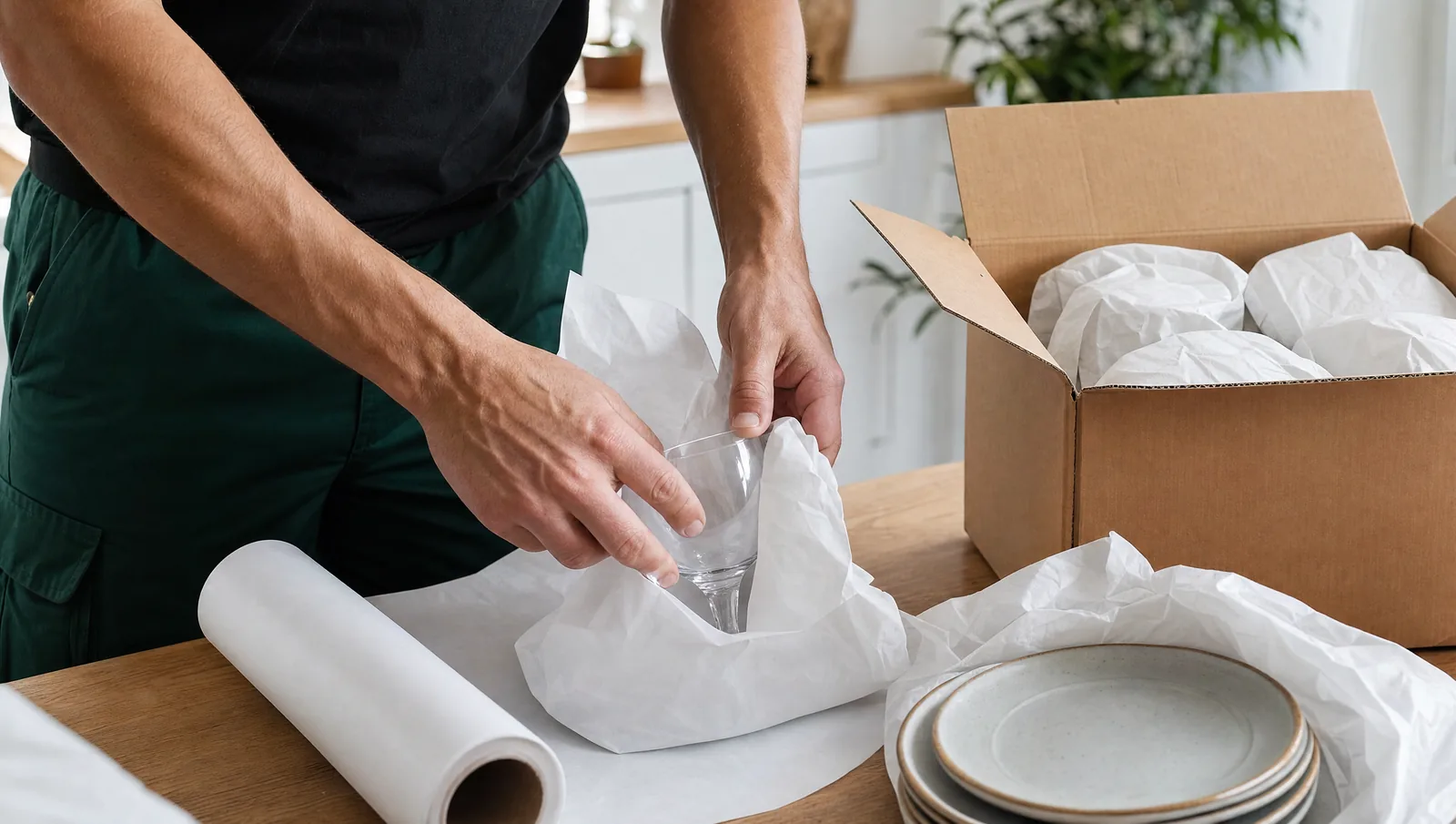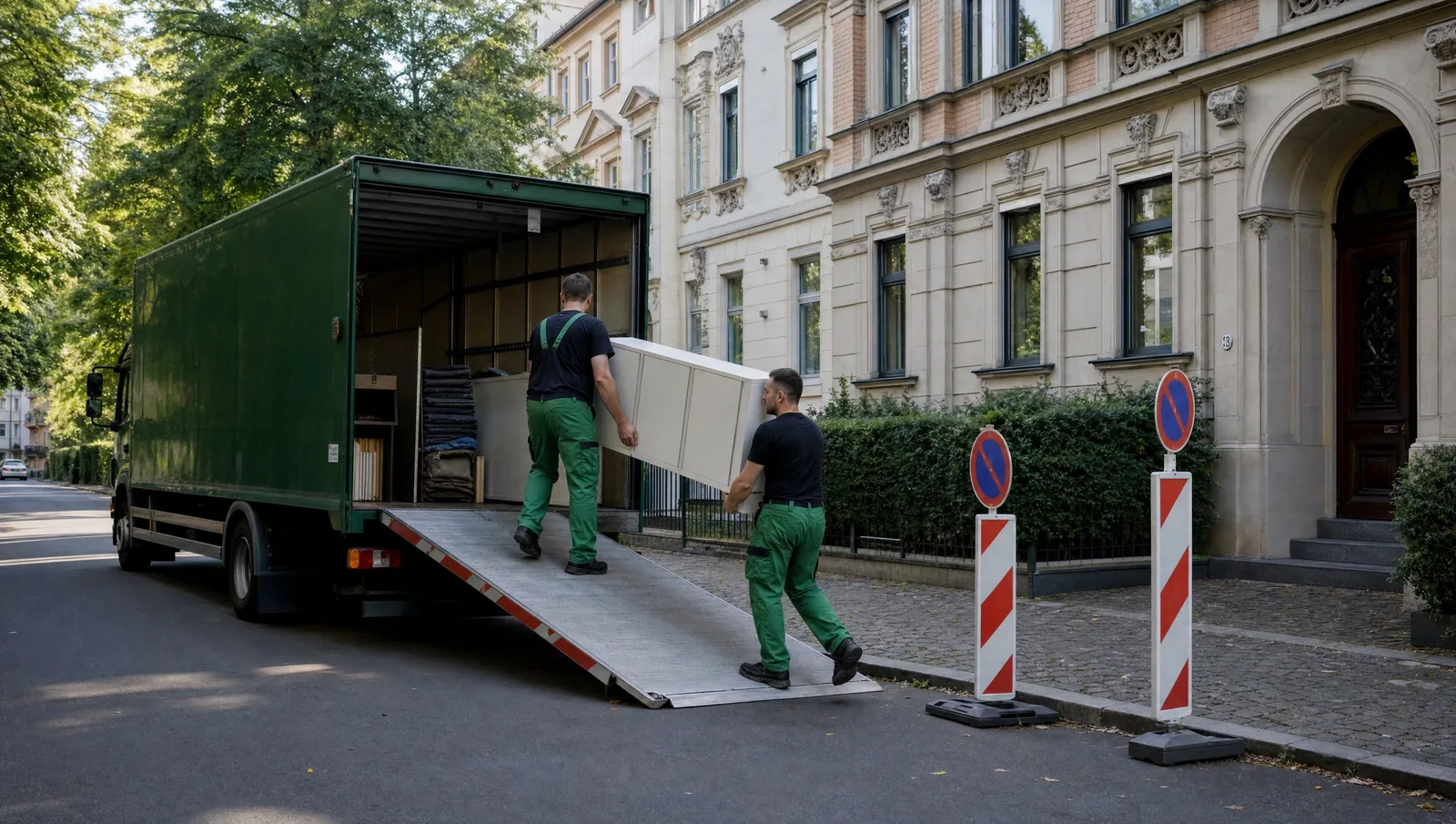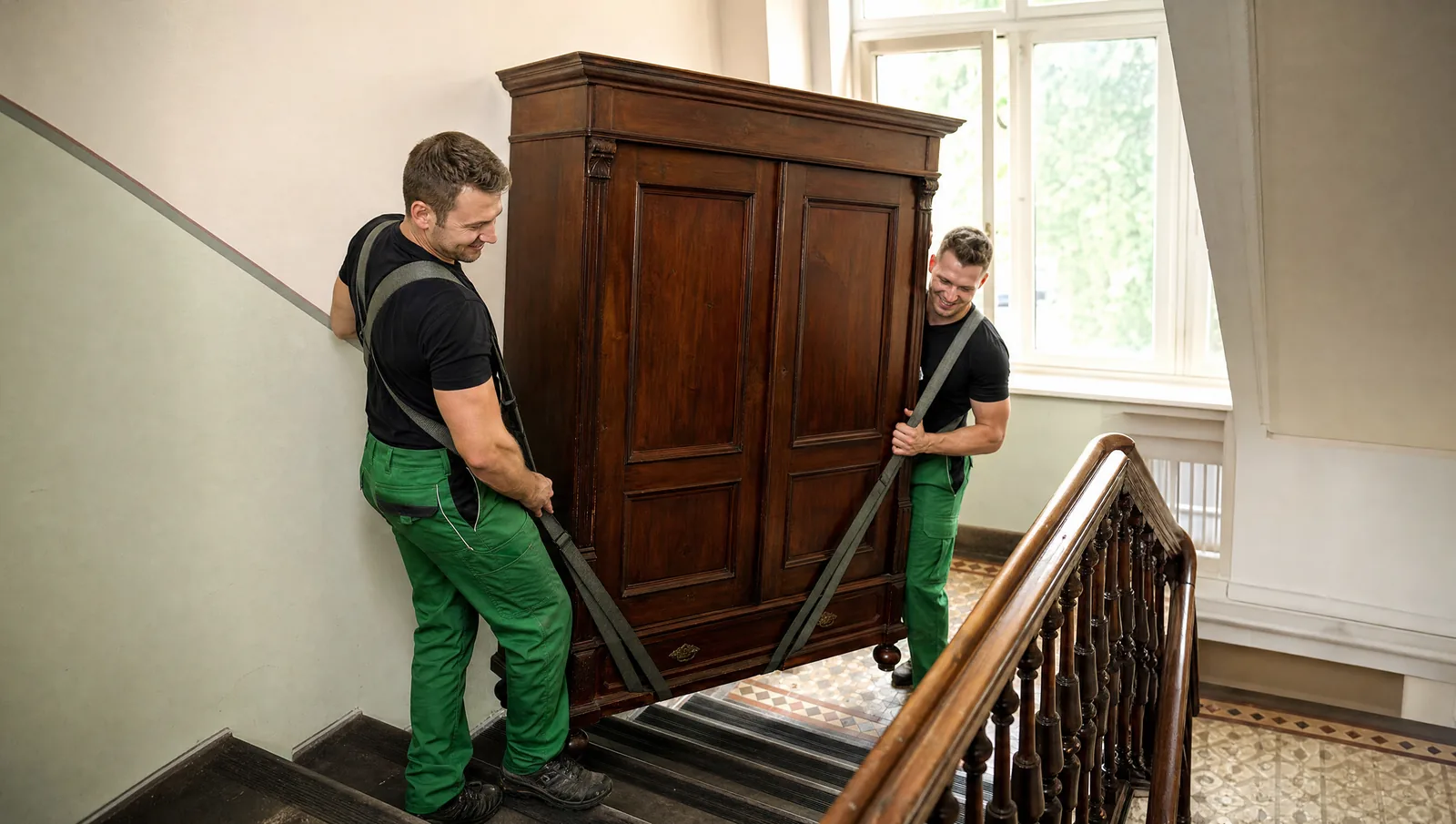
Our name is “Die Starken Männer” (The Strong Men) – and yet we'll let you in on a trade secret: when moving heavy furniture, it is less about muscle and more about technique, planning and the right equipment. Anyone who simply “grabs” a piano with four friends risks back injuries, scratched stairwells and an instrument that no longer sounds the way it should.
In this guide we show how to move heavy furniture properly, which aids are available and when you are better off leaving the work to professionals.
Preparation: measure first, then carry
The most common mistake happens before anyone even touches anything: the piece of furniture doesn't fit through the door, around the bend in the stairs or into the lift. So measure beforehand:
- Height, width and depth of the piece of furniture
- Width of all doors along the way, including door frames
- Width and bends of the stairwell, height of landings
- Dimensions and permitted load of the lift, if there is one
Clear the route completely, protect floors with cardboard or protective fleece and pad sensitive corners in the stairwell. Drawers, doors and shelves are removed or secured. Every kilo you take out beforehand is one you don't have to carry.
The right lifting technique
Lifting in a back-friendly way is the foundation of everything. The rules are simple but are quickly forgotten in the rush of a move:
- Lift with your legs: Bend your knees, keep your back straight, then straighten up using the strength of your legs.
- Keep the load close to your body: The further away the load, the greater the strain on your spine.
- Don't twist: Turn with your feet, not with your upper body.
- Find a firm grip: Gloves with grip prevent things from slipping.
- Agree on commands: One person gives the signal, everyone lifts and sets down at the same time.
Aids that make the difference
- Carrying straps: Shoulder or forearm straps distribute the weight across the body and keep your hands free. They are ideal for wardrobes, washing machines and fridges.
- Furniture dollies: Small wheeled boards for level stretches inside the flat.
- Sack truck and stair climber: For fridges, washing machines or safes. Stair-climbing trolleys are available with tracks or electric drive.
- Furniture blankets and stretch film: Protect surfaces and stop doors from swinging open.
- Ratchet straps: Secure the load in the vehicle. Unsecured heavy furniture is a danger when braking.
Piano: heavy, delicate and top-heavy
Depending on the model, an upright piano often weighs between 200 and 300 kilograms, a grand piano considerably more. The weight is unevenly distributed, and the mechanism inside is sensitive to knocks.
- Never lift a piano by the lid, key cover or legs – they will tear off.
- Lock or secure the lid and key cover beforehand.
- Transport the instrument upright and pad it with blankets.
- On the stairs, work with piano straps and at least three, preferably four, experienced people.
- Cover level stretches on a piano dolly.
After the move, the piano needs time to get used to the new room climate. Many piano tuners recommend waiting a few weeks and then having it tuned.
Wardrobe: better to take it apart
Large wardrobes, especially those with sliding doors, are almost always dismantled. In one piece they are not only heavy but also unstable: back panels made of thin hardboard often cannot withstand the twisting while being carried.
- Empty the wardrobe completely, including the shelves.
- Take off the doors and transport them separately with padding.
- Take photos before dismantling and put screws in labelled bags.
- Transport the carcass parts flat and protect them with blankets.
Solid farmhouse wardrobes can often be taken apart into cornice, carcass and base without tools. If you are unsure, leave the dismantling and reassembly to our furniture assembly service.
Safe: the underestimated heavyweight
Safes are designed to be small in size but high in weight. Even smaller models can weigh over 100 kilograms, larger security cabinets many times that. The weight is stated on the rating plate or in the manufacturer's documents.
- Empty the safe and lock the door.
- Use a sturdy stair climber for stairs. Carrying is not an option at high weights.
- For very heavy safes, check whether the floor, stairs and lift can bear the load. If in doubt, ask a structural engineer.
- At the destination, anchor the safe again according to the manufacturer's instructions, otherwise the insurance cover for the contents may lapse.
How many people do you need?
There are no fixed figures; the right team size depends on weight, shape and route. As a guide from practice:
- Washing machine, fridge: two people with a carrying strap or sack truck
- Dismantled wardrobe, sofa: two people
- Piano in a stairwell: three to four experienced people with straps
- Heavy safe: two to three people plus a stair climber, special equipment depending on the weight
More people are not automatically better. In narrow stairwells, too many helpers get in each other's way and nobody has a secure footing any more.
When you are better off calling in professionals
For many pieces of furniture, good preparation is enough. In these cases at the latest, professional help is worthwhile:
- Upright pianos, grand pianos or heavy safes
- Narrow stairwells in old buildings without a lift, as are common in Darmstadt
- Valuable antiques or heirlooms
- If you lack experienced helpers or the right equipment
Another point is liability: a removal company is liable for damage to the goods moved under the statutory rules of the German Commercial Code (HGB). If friends help out as a favour, the situation is often unclear – whether their private liability insurance pays depends on the policy, and many policies exclude or limit such damage caused while doing a favour.
Tell us in your enquiry which heavy items are involved. Then we will plan staff and equipment correctly from the outset – for a private move just as for an office move.
Frequently asked questions
How many people does it take to carry a piano?
For a piano in a stairwell, three to four experienced people with piano straps are recommended. On level stretches, a piano dolly helps.
Should you dismantle a wardrobe for a move?
Yes, large wardrobes should generally be dismantled. In one piece they are heavy and unwieldy, and the back panel can be damaged while being carried.
When does a piano need tuning after a move?
Many piano tuners recommend letting the instrument get used to the new room climate for a few weeks after the move and only then having it tuned.
Planning a move?
Get a free, no-obligation quote from Die Starken Männer in Roßdorf – for Darmstadt, the Rhine-Main area, Hesse and moves throughout Germany. Or use the moving cost calculator to get an overview first.
06071 391 80 74